Motorcycle, Motorbike, Black Silhouette: A Practical Guide
In the realm of graphic design and visual communication, the motorcycle, motorbike, black silhouette remains a timeless asset. This specific visual style reduces complex machinery to its essential form, stripping away color, texture, and intricate detail to focus purely on shape and outline. For designers, marketers, and content creators, understanding when and how to utilize these vector assets is crucial for effective visual storytelling. This guide evaluates the utility of motorcycle silhouettes, helping you determine if they align with your specific project goals.
Defining the Visual Asset
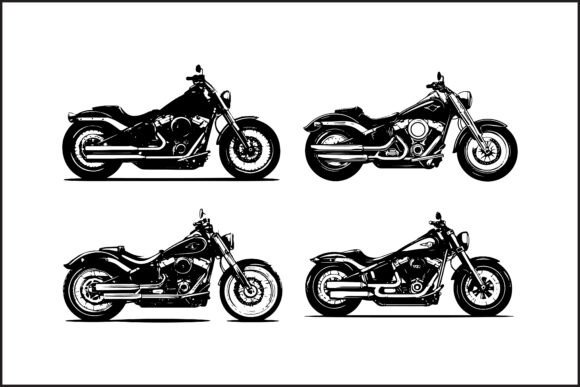
A motorcycle black silhouette is a vector graphic where the subject is rendered entirely in solid black against a contrasting background. Unlike detailed illustrations or photographs, this style relies on negative space and distinct contours to convey the identity of the vehicle. Whether representing a sport bike, a classic chopper, or an adventure tourer, the silhouette captures the unique profile of the machine without distraction. These images are typically scalable, meaning they can be resized from a small app icon to a massive billboard without losing resolution.
The appeal lies in its simplicity. By removing variables like paint jobs, lighting conditions, and brand-specific decals, the silhouette becomes a universal symbol of the two-wheeler experience. It represents the concept of the vehicle rather than a specific model, making it versatile for various applications ranging from automotive branding to educational manuals.
Why Choose a Silhouette Style?
Designers often gravitate toward the motorbike vector black silhouette set for several practical reasons. First, clarity is paramount in many design contexts. In situations where text must overlay an image, or where the graphic needs to be legible at very small sizes, a high-contrast silhouette ensures the message is not lost. Second, these assets offer speed in production. Because they are pre-rendered vectors, there is no need for time-consuming photo editing or complex illustration work.
Furthermore, the aesthetic of a black silhouette carries a certain weight and authority. It suggests power, speed, and motion. For industries like sports and racing, this minimalism conveys intensity. For the apparel industry, it offers a clean look that translates well onto fabric, ensuring the design does not crack or fade over time as easily as detailed prints might.
Evaluating Benefits and Tradeoffs
Before integrating a motorcycle, motorbike, black silhouette into your workflow, it is important to weigh the advantages against potential limitations.
Key Benefits
- Versatility: The neutral nature of the silhouette allows it to fit into almost any color scheme or layout. It acts as a blank canvas that adapts to the surrounding design elements.
- Scalability: As vector files, these graphics maintain crisp edges at any size, making them ideal for both digital screens and large-format printing.
- Brand Neutrality: Since specific logos and badges are usually omitted, these images do not favor one manufacturer over another, which is beneficial for dealerships carrying multiple brands or general repair services.
- File Efficiency: Vector files are generally smaller in file size compared to high-resolution raster images, leading to faster website load times and easier email distribution.
Potential Tradeoffs
- Lack of Detail: If the goal is to showcase specific features, such as engine components, suspension systems, or custom paintwork, a silhouette will fail to communicate these nuances.
- Generic Perception: Overuse of standard silhouettes can sometimes make a brand appear generic. Without customization, the imagery may lack a unique personality.
- Context Limitations: A black silhouette implies a specific mood—often edgy, bold, or industrial. It may not suit projects requiring a soft, organic, or highly realistic tone.
Ideal Applications Across Industries
The utility of a bike vector black silhouette extends across numerous sectors. Understanding where these assets shine can help you allocate resources effectively.
Automotive Industry and Services
For bike manufacturers, dealerships, and repair services, these silhouettes are excellent for promotional materials, websites, and brochures. They provide a clean backdrop for technical specifications or service lists. In social media campaigns, they serve as recognizable icons that quickly signal the topic of the post.
Apparel and Merchandise
In the world of merchandise, the motorcycle icon is a staple. T-shirts, caps, stickers, and posters benefit from the boldness of the silhouette. The high contrast ensures visibility even from a distance, making it perfect for event swag or fan gear. The simplicity also aids in screen printing processes, reducing ink costs and setup complexity.
Media, Advertising, and Events
Advertisements, banners, and magazine layouts for motorcycle-related events, tours, or promotions often rely on strong visual anchors. A racing bike or dirt bike silhouette can instantly communicate the nature of an event. Similarly, for bike rallies, festivals, and exhibitions, these graphics create cohesive branding across posters and directional signage.
Travel, Sports, and E-commerce
Travel agencies promoting motorcycle tours or road trips use these visuals to evoke the spirit of adventure without needing expensive photography of specific locations. In sports and racing, they function as dynamic elements for sports branding. On e-commerce sites selling parts, accessories, or gear, silhouettes act as category headers or decorative elements that guide user navigation without cluttering the interface.
Education and Web Development
In educational settings, such as safety training manuals or instructional materials, clear diagrams are essential. A simplified silhouette helps students focus on the mechanics or safety zones of the vehicle without being distracted by aesthetics. In UI/UX design, these vectors are used for logos, app icons, and website navigation elements where space is limited but recognition is key.
When to Consider Alternatives
While the motorbike vector black silhouette set is powerful, it is not a universal solution. There are scenarios where other visual styles may yield better results.
If your primary objective is to sell a specific new model of a vintage bike or a modern cruiser, a high-quality photograph is superior. Customers need to see the finish, the chrome, and the specific ergonomics to make a purchasing decision. Similarly, if the target audience values realism and emotional connection through human interaction with the machine, a lifestyle photograph featuring a rider in action will likely outperform a static silhouette.
Additionally, if the design requires a sense of transparency or integration with a complex background where a solid black block would obscure important information, a line-art version or a colored vector illustration might be more appropriate. In these cases, the tradeoff between the bold impact of a silhouette and the subtlety of other styles should be carefully considered.
Decision-Making Insights
To determine if a motorcycle, motorbike, black silhouette aligns with your needs, ask yourself three questions:
- Is recognition the priority? If the viewer needs to identify the object instantly, the silhouette is a strong choice.
- Do I need to show detail? If the project requires showcasing specific features or textures, opt for photography or detailed illustration instead.
- Does the context demand versatility? If the graphic will be used across multiple platforms (web, print, apparel) and color schemes, the neutrality of the silhouette offers significant logistical advantages.
By evaluating these factors, you can decide whether the simplicity of the vehicle silhouette serves your vision or if a more complex visual approach is warranted. Ultimately, the right choice depends on balancing aesthetic goals with functional requirements, ensuring the final output effectively communicates the intended message to your audience.