Shield Logo Graphics for Designers: A Practical Guide to Choosing and Using the Right Assets
In the world of visual identity, the shield remains one of the most powerful symbols. It instantly communicates security, protection, strength, and trust. For businesses ranging from cybersecurity firms to esports teams, a well-crafted shield emblem can anchor a brand's message before a single word is read. However, finding high-quality Shield Logo Graphics for Designers is often more complicated than it appears. Many creators rush into downloading generic vectors without considering how file formats, scalability, or design intent will impact their final project. The result is often a logo that looks pixelated on a billboard or feels disjointed in a mobile app interface.
Whether you are a freelancer building a portfolio, a small business owner launching a new product, or a marketer creating promotional merchandise, understanding the nuances of these graphic sets is essential. This guide explores what makes a shield graphic effective, the common pitfalls designers face when selecting assets, and practical steps to ensure your visual communication is as robust as the symbol itself.
Understanding the Value of Shield Logo Graphics
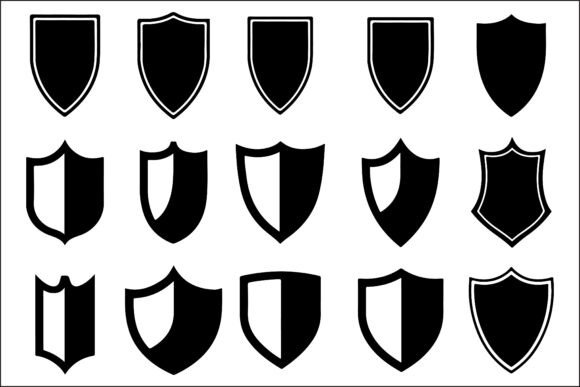
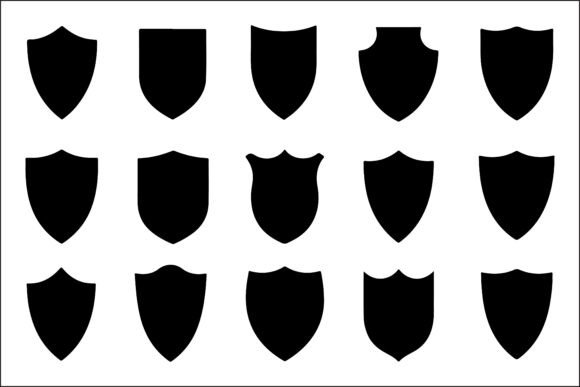
When we discuss Shield Logo Graphics for Designers, we are referring to a curated collection of vector illustrations and digital assets designed specifically for branding and UI elements. These graphics are not just decorative; they serve a functional purpose in conveying reliability. The versatility of a shield allows it to adapt across industries. In the gaming industry, these designs act as fierce emblems for esports teams. In corporate sectors like legal services or insurance, they symbolize safety and privacy. Even in web design, a shield icon can subtly reassure users that their data is secure within an application.
A comprehensive set typically includes multiple file formats to accommodate various workflows. You should expect to find EPS files for professional vector editing, JPG files for quick previews or print proofs, and PNG files with transparent backgrounds for immediate use in web layouts. Having access to these specific formats ensures that you aren't forced to compromise on quality due to technical limitations.
Common Mistakes When Selecting Shield Graphics
Despite the abundance of resources available, many designers make critical errors during the selection process. The most frequent mistake is prioritizing aesthetics over technical compatibility. A shield might look stunning in a thumbnail preview, but if the file lacks proper vector paths or is rasterized at a low resolution, it becomes useless for large-scale printing or high-resolution screens.
Another overlooked detail is the complexity of the design. Beginners often choose shields with intricate textures, gradients, and excessive details, assuming this adds value. In reality, overly complex shields lose their impact when scaled down for favicons, social media avatars, or merchandise like T-shirts. The fine lines may blur, and the core message of "protection" gets lost in visual noise.
Furthermore, there is a misunderstanding regarding licensing and customization. Some users treat downloaded graphics as finished products rather than starting points. They fail to adjust the colors, shapes, or proportions to match their specific brand guidelines. Using a generic shield without modification can lead to a brand identity that feels impersonal and indistinguishable from competitors.
How These Errors Impact Your Project
The consequences of these mistakes extend beyond simple visual unappealingness. Using low-quality files can damage a brand's reputation by making it appear unprofessional. If a logo pixelates on a website header, users may subconsciously question the reliability of the service being offered—ironically undermining the very concept of security the shield represents.
From an efficiency standpoint, working with poorly organized files wastes valuable time. If a designer downloads a set that lacks editable layers or uses incompatible color modes (like RGB instead of CMYK for print), they must spend hours reconstructing the asset or dealing with color shifts in production. This increases costs and delays project timelines, which is particularly detrimental for freelancers working under tight deadlines.
Practical Advice for Better Results
To avoid these pitfalls, approach the selection of Shield Logo Graphics for Designers with a strategic mindset. First, always verify the file formats included in the package. Ensure that the set provides EPS or AI files so you can manipulate the vector paths. This flexibility is crucial for customizing the shield to fit your unique brand story.
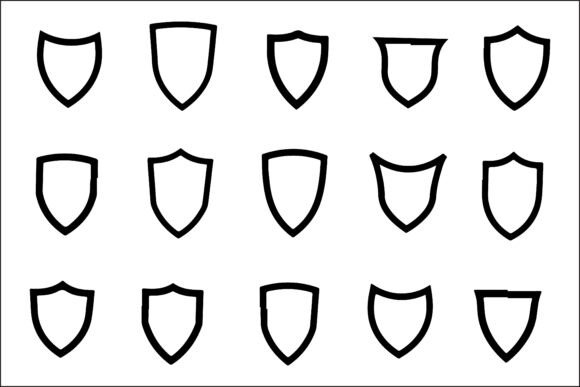
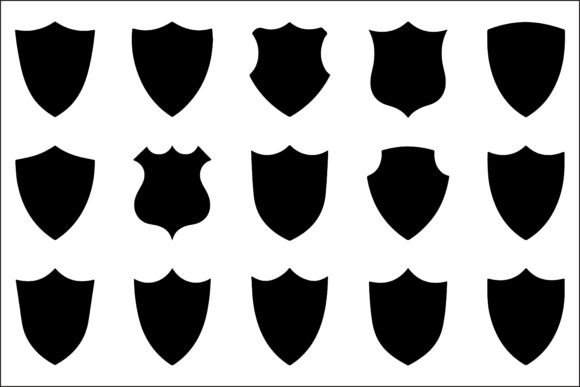
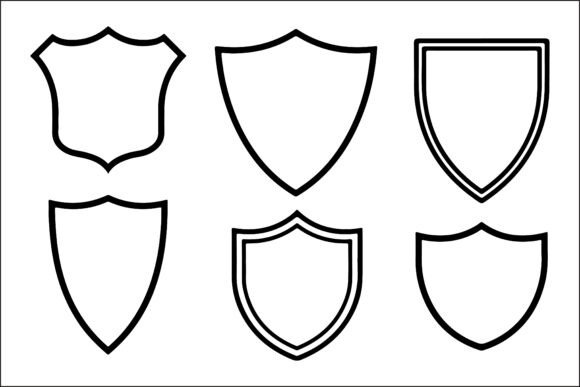
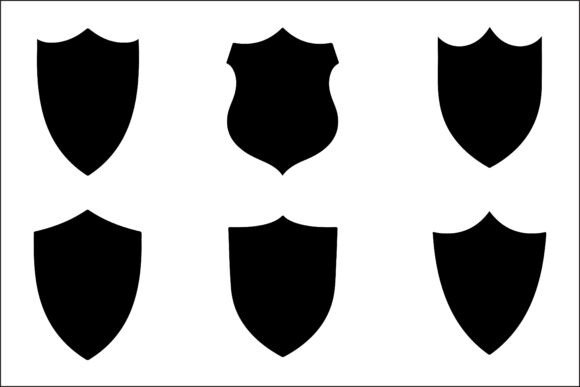
Secondly, prioritize simplicity. When evaluating a shield design, imagine it shrunk to the size of a postage stamp. Is the shape still recognizable? Does the silhouette hold its integrity? A strong shield logo relies on clean lines and a balanced composition. Look for designs labeled as "isolated," "silhouette," or "outline" if you need a minimalist approach that scales effortlessly.
Thirdly, consider the context of use before downloading. If your primary goal is web and app design, focus on sets that offer high-contrast PNGs with transparent backgrounds. For merchandise or print materials, ensure the vector files are optimized for screen printing or embroidery. A good resource will explicitly state its suitability for these applications, covering everything from T-shirts and mugs to stationery and signage.
What to Check Before Making a Decision
Before committing to a download or purchase, perform a quick audit of the asset pack. Here are the key elements to inspect:
- File Integrity: Confirm that all promised formats (EPS, JPG, PNG) are present and free of corruption. Try opening the EPS file in your preferred software to ensure layers are intact.
- Scalability: Zoom in and out of the preview images. Check for jagged edges or blurry lines that indicate the image is not truly vector-based.
- Design Versatility: Assess whether the shield style fits your industry. A military-style insignia might be too aggressive for a family insurance company, while a modern, sparse outline might be perfect for a tech startup.
- Licensing Terms: Read the usage rights carefully. Ensure the license covers commercial use, especially if you plan to sell merchandise or use the logo for client work.
By taking these steps, you transform a simple graphic download into a strategic branding decision. The right Shield Logo Graphics for Designers set acts as a foundation, allowing you to build a cohesive visual identity that resonates with your audience. Whether you are creating a badge for a gaming clan or a trust symbol for a financial platform, the quality of your source material dictates the strength of your final output.
Remember, a logo is more than just a picture; it is a promise of safety and reliability. Don't let poor file choices or design oversights weaken that promise. Choose wisely, customize thoughtfully, and let your shield stand as a true guardian of your brand's reputation.