Co-worker Icons: A Practical Evaluation for Web Design
In the landscape of digital asset creation, selecting the right visual elements is a critical step in defining a brand's identity and ensuring a cohesive user experience. The Co-worker Icons collection represents a specific category of vector design resources tailored for professionals seeking to illustrate collaboration, team dynamics, and workplace interactions. This article provides an objective analysis of this resource, examining its technical specifications, practical applications, and suitability for various web design projects.
Understanding the Co-worker Icons Collection
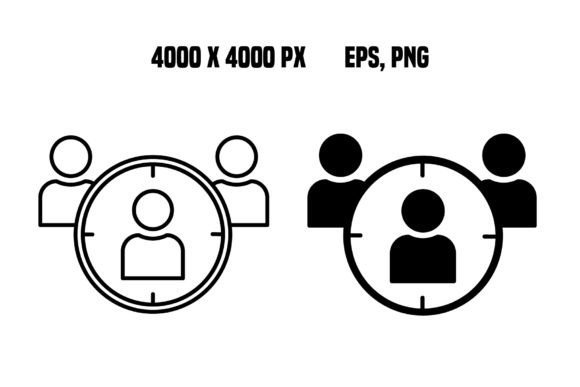
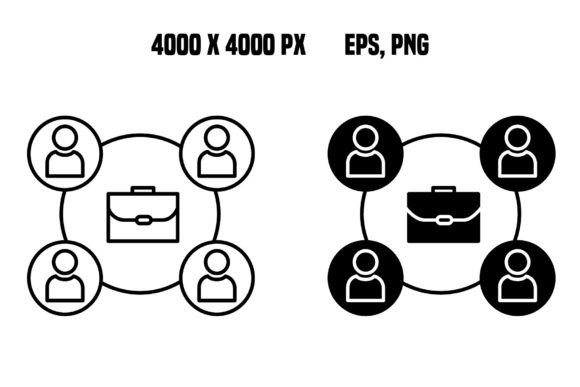
The Co-worker Icons set is a digital product packaged as a ZIP file containing two distinct vector design elements. These assets are specifically themed around teamwork and professional interaction, making them ideal for corporate websites, SaaS platforms, and internal communication tools. The core value proposition lies in the format and resolution of the files provided. Unlike raster images that degrade when scaled, these icons are delivered in vector formats, specifically EPS (Encapsulated PostScript) and PNG with transparent backgrounds.
The technical specifications are designed to meet high-standard print and display requirements. The package includes high-resolution files at 300 DPI, with dimensions reaching 4000 x 4000 pixels. This level of detail ensures that the imagery remains crisp on high-density displays, such as Retina screens, and maintains clarity when printed on large-format materials like banners or brochures. The inclusion of both EPS and PNG formats offers flexibility; the EPS files allow for further editing in vector software, while the PNG files provide immediate usability for web developers who require transparent backgrounds without additional processing.
Reasons to Consider This Resource
Designers and project managers often turn to specialized icon sets like Co-worker Icons for several strategic reasons. First, consistency is paramount in web design. Using a unified set of graphics ensures that all visual representations of "teamwork" share the same line weight, color palette, and stylistic approach. This reduces cognitive load for users navigating a site, as the visual language remains predictable.
Second, the time-saving aspect cannot be overstated. Creating custom illustrations from scratch requires significant hours of drafting, refining, and exporting. By utilizing pre-made vector elements, teams can accelerate their production timeline. The ability to edit the EPS files allows for minor customization—such as changing colors to match brand guidelines—without needing to redraw the entire composition. For agencies managing multiple client projects, this efficiency translates directly into better resource allocation.
Benefits, Tradeoffs, and Considerations
While the Co-worker Icons offer clear advantages, a balanced evaluation requires acknowledging potential tradeoffs. The primary benefit is the versatility of the vector format. Because the files are resolution-independent, they can be scaled up for a billboard or down for a mobile app icon without any loss of quality. The transparency in the PNG files simplifies integration into existing layouts, eliminating the need for complex masking techniques to remove white backgrounds.
However, there are considerations regarding scope and exclusivity. With only two design elements included in the package, this resource is not a comprehensive library. It serves best as a targeted solution rather than a complete overhaul of a site's graphic assets. Additionally, because these are stock-style vectors, there is a possibility that other designers may utilize similar assets, potentially reducing the uniqueness of a brand's visual identity if used without modification. Users must weigh the convenience of ready-made assets against the desire for entirely bespoke illustrations.
Ideal Scenarios for Implementation
The Co-worker Icons are particularly well-suited for specific types of projects where the theme of collaboration is central. They are an excellent fit for:
- Corporate "About Us" Pages: These sections frequently require visuals depicting staff meetings, brainstorming sessions, or collaborative workflows. The high resolution ensures these images look professional in hero sections.
- SaaS Landing Pages: Software companies often highlight features related to team management, shared workspaces, or remote collaboration. These icons can effectively communicate these features visually.
- Print Marketing Materials: Due to the 300 DPI specification, these assets are viable for physical collateral, such as annual reports or conference handouts, where image fidelity is strictly enforced.
- Web Applications: The scalable nature of the vector files makes them suitable for UI elements within dashboards where icons might need to adapt to different screen sizes.
When Alternatives May Be Preferable
Despite their utility, Co-worker Icons may not be the optimal choice for every situation. If a project requires a vast array of diverse actions—such as a full iconography system covering dozens of different business functions—a small two-element pack will likely be insufficient. In such cases, investing in a larger icon library or commissioning a custom illustration series might be more cost-effective in the long run.
Furthermore, brands with highly stylized or abstract visual identities might find standard vector icons too generic. If a company's aesthetic relies on unique textures, hand-drawn styles, or complex 3D rendering, these flat or semi-flat vector designs may clash with the overall design language. Similarly, for projects with extremely tight budgets that do not require high-resolution print capabilities, lower-resolution alternatives might suffice, though the quality difference should be carefully considered.
Decision-Making Insights for Buyers
Before acquiring the Co-worker Icons, stakeholders should evaluate their specific workflow needs. Ask whether the current design gap can be filled by just two high-quality elements, or if a broader solution is necessary. Review the EPS files to ensure they are compatible with the software stack your team uses, such as Adobe Illustrator or CorelDRAW. Verify that the 4000 x 4000 pixel dimension aligns with your largest intended use case.
Ultimately, the decision to integrate these assets depends on the balance between speed, quality, and uniqueness. For projects requiring immediate, high-fidelity visuals that depict professional teamwork, this resource offers a practical and efficient solution. However, it should be viewed as a component of a larger design strategy rather than a standalone fix for all visual needs. By understanding the strengths and limitations of the file formats and the thematic scope, designers can make informed choices that align with their project goals.